Nurturing Brilliance: How to Support Your Gifted Child's Development
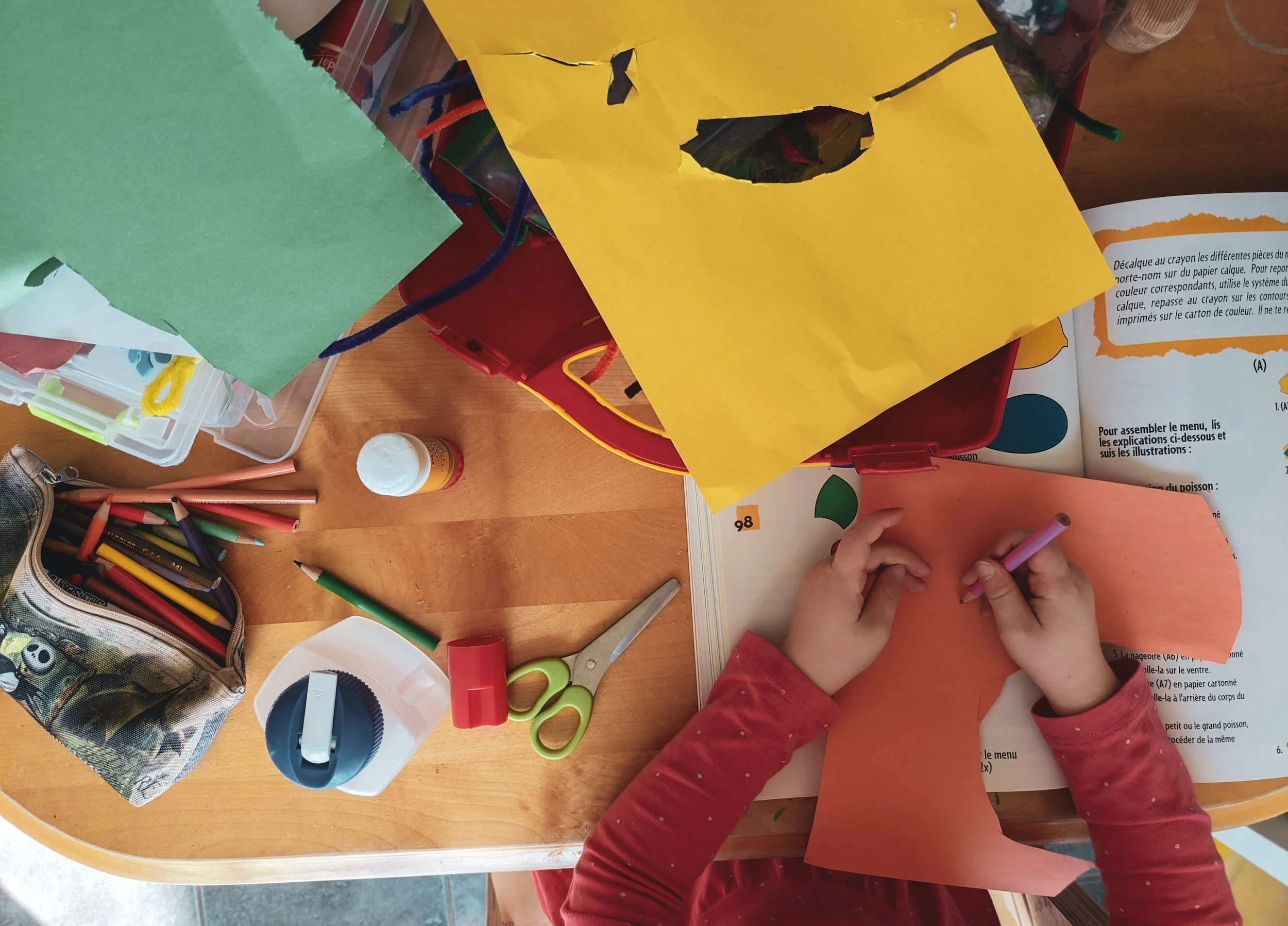
Every child is unique, but when you have a gifted child, their exceptional abilities and needs require special attention and support. Gifted children possess remarkable potential that, with proper nurturing, can flourish and make a significant impact on the world. In this blog post, we will explore effective strategies and approaches to support your gifted child's development and help them thrive academically, socially, and emotionally.
Recognize and Validate Their Giftedness: The first step in supporting your gifted child is to recognize and validate their exceptional abilities. Understand that giftedness encompasses a range of strengths, including intellectual, creative, and emotional aptitudes. By acknowledging their gifts, you create an environment that fosters self-confidence and encourages them to explore and embrace their talents.
Provide Intellectual Stimulation: Gifted children have an insatiable thirst for knowledge and intellectual challenges. It's crucial to provide them with a stimulating learning environment that expands their horizons. Encourage reading, engage in intellectually stimulating conversations, and expose them to a variety of educational resources, such as books, documentaries, museums, and online platforms that cater to their interests.
Individualized Education: Gifted children often require educational experiences tailored to their unique abilities. Collaborate with teachers and administrators to develop an individualized education plan that addresses their specific needs. This may involve acceleration, enrichment programs, or access to advanced coursework to ensure they are adequately challenged and engaged.
Foster a Growth Mindset: Emphasize the importance of a growth mindset, teaching your gifted child that intelligence and abilities can be developed through effort and persistence. Encourage them to embrace challenges, learn from failures, and view setbacks as opportunities for growth. Instilling a growth mindset will not only fuel their passion for learning but also enable them to develop resilience and perseverance.
Encourage Pursuit of Passions: Gifted children often exhibit intense interests and passions in specific areas. Encourage and support their pursuit of these passions, providing opportunities for them to explore and develop their expertise. Whether it's music, art, science, or any other field, nurturing their passions enhances their overall development and provides a sense of fulfillment.
Promote Social and Emotional Well-being: While intellectual development is essential, nurturing the social and emotional well-being of your gifted child is equally crucial. Provide opportunities for them to interact with peers who share their interests, whether through gifted programs, clubs, or community organizations. Encourage healthy social relationships and help them develop effective communication and problem-solving skills. Additionally, teach them stress-management techniques and promote a balanced lifestyle that includes physical activity, hobbies, and downtime.
Establish a Supportive Network: Building a supportive network of like-minded parents, educators, and professionals can be invaluable in understanding and addressing the unique needs of your gifted child. Seek out local or online communities where you can connect with others facing similar challenges. Share experiences, exchange ideas, and learn from one another to enhance your ability to support your child effectively.
Supporting your gifted child requires a comprehensive approach that nurtures their intellectual, social, and emotional development. By recognizing their giftedness, providing intellectual stimulation, fostering a growth mindset, and promoting social and emotional well-being, you can create an environment that enables their talents to flourish. Remember, your role as a parent is instrumental in helping your gifted child reach their full potential and make a meaningful impact in the world.